
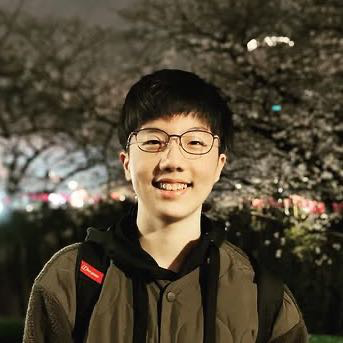
I remember staring at my HL History notes in Tokyo until the text blurred into gray noise. It is easy to mistake exhaustion for laziness when you are hitting a wall. I managed a 45/45 in the May 2023 IB session by changing how I handled the pressure.
Now I hold offers from Cambridge HSPS, HKU, and HKUST. These results came from a specific system of recovery. I want to show you how to maintain high output without crashing your mental health before finals week arrives.
The Myth of 'More Hours Equals Better Grades'
One of the biggest traps I fell into early on was believing that the more hours I spent at my desk, the better my results would be. This is a myth. After pulling an all-nighter for a History essay in Year 12, I realised my quality of work plummeted, and I spent the next day feeling completely drained. My essay was mediocre at best. True productivity isn't about quantity of hours; it's about the quality of those hours.
Instead of fixating on a raw number of study hours, focus on active learning and deep work. For me, this meant setting a timer for 50 minutes of focused study, followed by a 10-minute break. During that 50 minutes, my phone was off, notifications were disabled, and I was solely engaged with the material. This method, often called the Pomodoro Technique, dramatically improved my retention and reduced the feeling of being overwhelmed.
Strategic Planning: Your Anti-Burnout Shield
Burnout often stems from a feeling of being out of control, overwhelmed by an endless to-do list. My solution was meticulous, yet flexible, planning. Before each exam season (e.g., IB mocks in March, then the final exams in May), I'd map out every subject, every topic, and every past paper I needed to cover.
I used a large whiteboard for a visual overview of the entire exam period, then broke it down into weekly and daily tasks in a digital planner. This wasn't about rigid adherence; it was about having a clear roadmap. If I missed a task one day, I'd simply adjust the next day's plan. This proactive approach prevented me from feeling like I was constantly playing catch-up, which is a major stressor.
The Power of Past Papers: Not Just for Revision
Everyone says to do past papers for revision, but I used them as a stress-management tool too. Simulating exam conditions (timer, no notes, quiet environment) helped demystify the actual exams. By the time I sat for my IB Physics Paper 1, 2, and 3, I had already done dozens of practice papers under timed conditions. This familiarity drastically reduced my anxiety.
Beyond just completing them, I critically reviewed my mistakes. For IB Economics, for instance, I'd identify recurring errors in my evaluation points or diagram drawing. This targeted approach made my study time more efficient and built confidence. Knowing I had faced similar questions and identified my weak points before the real thing was incredibly reassuring.
Scheduled Disconnection: Crucial for International Students
As an international student in Tokyo, far from my extended family, it was easy to feel isolated and constantly 'on.' My phone became a lifeline to friends and family back home, but also a source of distraction and comparison. I learned the hard way that constant digital connection, especially during exam season, is detrimental.
I implemented 'scheduled disconnection.' This meant setting specific times each day (e.g., 6 PM to 7 PM) to check messages, make calls, or browse social media. Outside of these windows, my phone was on silent and out of reach. This allowed me to fully engage with my studies without the constant pull of notifications, and also gave me dedicated time to connect with loved ones without guilt or distraction.
Physical Well-being: Your Brain's Best Friend
It sounds obvious, but sleep, nutrition, and exercise are non-negotiable. During my IB final exams, I aimed for 7-8 hours of sleep every night. I noticed a direct correlation between my sleep quality and my ability to recall information and solve complex problems in subjects like IB Maths AA HL. Sacrificing sleep for an extra hour of study was always a net negative.
I also made an effort to eat balanced meals and get some form of physical activity daily. Even a 30-minute walk around my neighborhood helped clear my head and reduce the physical tension that builds up from prolonged sitting. These aren't luxuries; they're fundamental components of a high-performing brain, especially under stress.
Leveraging Your Support Network (Teachers & Peers)
Don't try to go it alone. My teachers at my international school in Tokyo were an invaluable resource. They understood the IB curriculum inside out and could clarify complex concepts in IB History HL or provide feedback on my Extended Essay drafts. I scheduled regular check-ins, even if it was just a quick question after class. Their guidance was instrumental.
My peers were equally important. We formed small study groups for subjects like IB Chemistry SL, where we'd explain concepts to each other. Explaining something aloud is a powerful way to solidify your own understanding. Plus, knowing others were going through the same struggles created a sense of solidarity and reduced feelings of isolation.
Mindfulness and Perspective: The Long Game
Towards the end of the IB Diploma, when the pressure was at its peak, I started incorporating short mindfulness exercises. Even five minutes of focused breathing helped ground me and break the cycle of anxious thoughts. There are many free apps that guide you through this, and it doesn't require any special equipment.
Finally, maintaining perspective was key. While university applications and exams felt like the most important thing in the world at the time, I reminded myself that my worth isn't solely defined by a score or an acceptance letter. I worked hard, I did my best, and whatever the outcome, I would be okay. This broader perspective wasn't always easy to hold onto, but it was crucial for my mental well-being.
Frequently asked questions
Beating exam stress and burnout isn't about working harder; it's about working smarter, prioritizing your well-being, and leveraging effective strategies. By focusing on quality study, meticulous planning, physical health, and a strong support network, international students can navigate the pressures of high-stakes exams and university applications not just successfully, but sustainably. Remember, your journey is a marathon, not a sprint.